Ankle-foot orthosis (AFO)
Braces that control foot drop, ankle instability and spasticity — from a light posterior-leaf design to articulated and ground-reaction types.
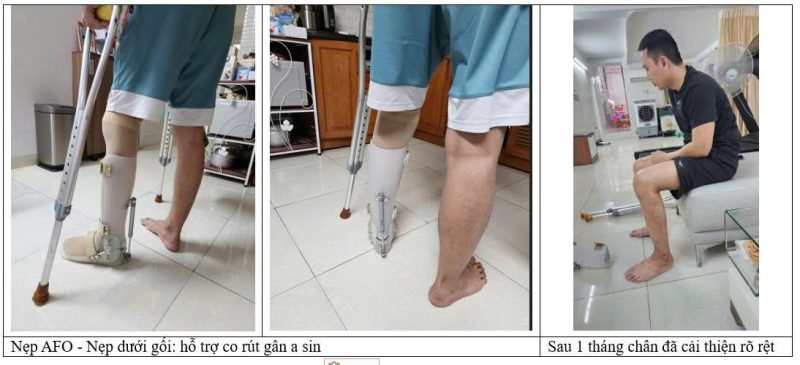
Indications
- Peroneal nerve palsy with foot drop
- Stroke, cerebral palsy or spinal cord injury sequelae
- Spastic equinus foot
- Weakness after polio or neuromuscular disease
Key features
- Light posterior-leaf-spring type assisting toe clearance
- Articulated type with adjustable dorsi/plantar-flexion stops
- Ground-reaction type assisting knee extension
- Moulded from a 3D scan, padded, slim enough for a normal shoe
- Paediatric versions in many colours, replaced with growth
AFOs are the most frequently prescribed orthoses. The goal is to control ankle–foot position through the gait cycle: lift the toes in swing so the patient does not trip, and control foot lowering at heel strike.
A thermoformed posterior-leaf design suits a simple, flexible foot drop. When there is spasticity or multi-plane instability, an articulated design lets us set precise angle stops while keeping some physiological motion.
For patients who tend to buckle the knee under load, a ground-reaction design creates a knee-extension moment through an anterior shin shell, improving standing stability and reducing fatigue.
Every AFO is moulded from a 3D scan, padded over bony landmarks and trialled inside the patient's real shoe. Children are reviewed every 4–6 months to replace the brace as they grow.
Related solutions
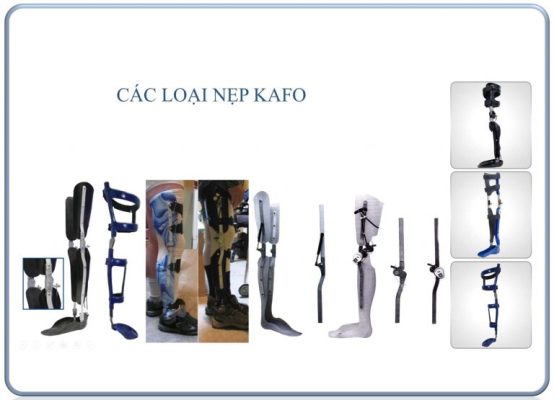 KAFO
KAFO Knee-ankle-foot (KAFO) & hip-KAFO (HKAFO) orthoses
Long braces that also control the knee when the quadriceps is weak or the knee is unstable; the HKAFO extends to the pelvis for paraplegia.
Knee-ankle-foot (KAFO) & hip-KAFO (HKAFO) orthoses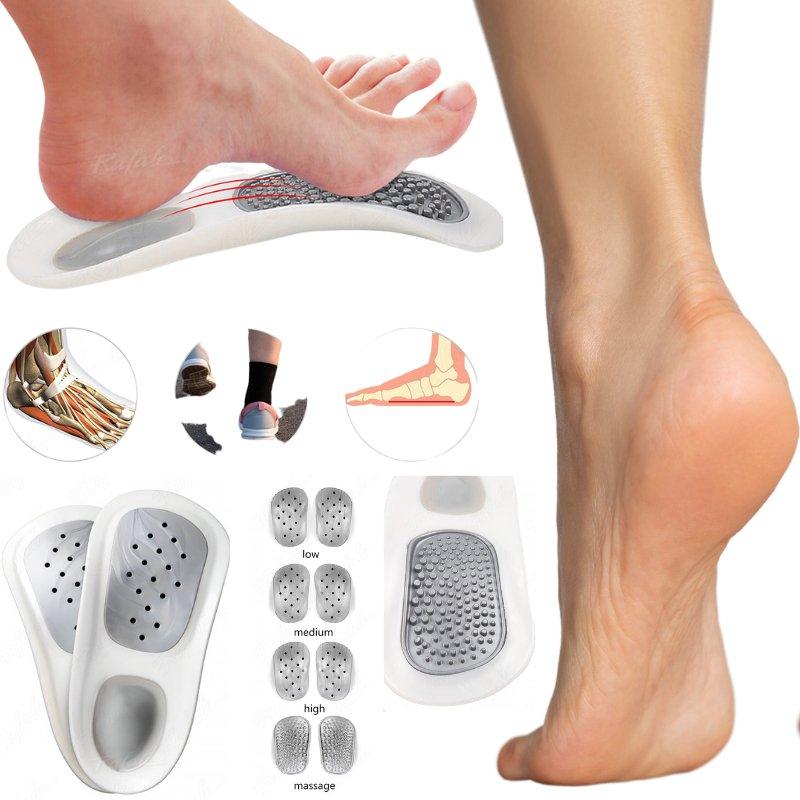 FO
FO Foot orthoses & flat-foot management
Custom insoles moulded to the foot that support the arch and correct heel–foot alignment to relieve pain and improve gait in children and adults.
Foot orthoses & flat-foot management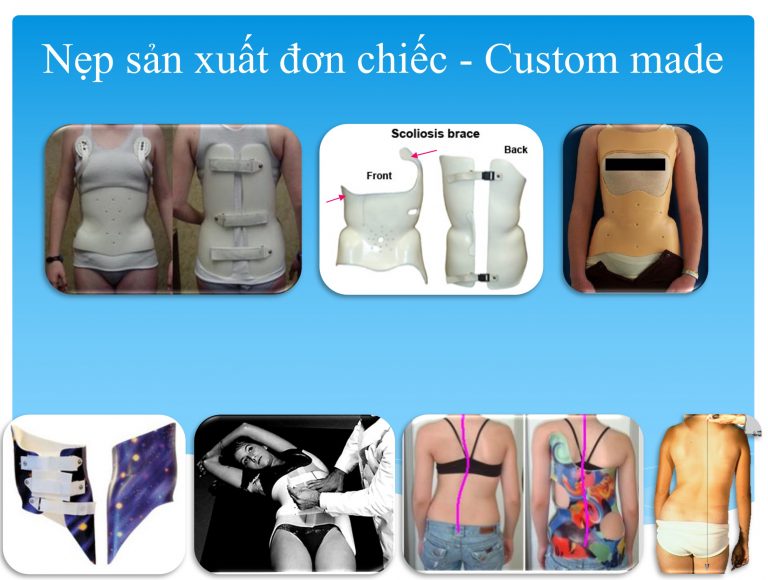 TLSO
TLSO 3D corrective spinal orthosis (scoliosis)
A brace designed on a three-plane correction principle, 3D-scanned and CAD/CAM-milled, with up to 83% correction when detected early.
3D corrective spinal orthosis (scoliosis)Do you or a loved one need advice?
Book an in-person assessment in Hanoi or send your file for a remote consultation. We reply within 24 hours.